
British Herbs Worth Knowing for Your Next Cup
The United Kingdom offers a remarkable variety of plants suitable for herbal infusions, from cultivated garden favourites to wild species found along footpaths and coastal cliffs. Understanding which herbs grow where, when to pick them, and what flavour they bring to the cup helps you make informed choices whether you shop at a farmers' market in Bristol or snip leaves from your own windowsill planter in Manchester.
See Recipes Using These Herbs
Where British Tea Herbs Grow Best
Climate variation across Britain shapes which herbs flourish in different regions. Southern England's milder winters support lavender, rosemary, and lemon verbena in open gardens, while northern Scotland favours hardy perennials like meadowsweet and wild thyme on exposed hillsides. The UK's RHS hardiness zones range from H4 in the far north to H3 along the south coast, meaning gardeners in Cornwall can overwinter tender herbs that would not survive a Highland frost without protection.
Allotments remain a cornerstone of British herb growing. An estimated 330,000 allotment plots exist across England alone, and mint, sage, and chamomile appear on many. For urban dwellers without garden access, compact pots of peppermint and lemon balm on a sunny balcony produce enough fresh leaves for weekly infusions throughout summer. Wild foraging adds another dimension — nettle patches appear in damp woodland edges from Devon to Northumberland, and elder trees line suburban streets nationwide, offering fragrant flowers in May and June.
When sourcing dried herbs, look for UK-grown or responsibly imported stock from suppliers who provide clear provenance. Organic certification from the Soil Association offers an additional layer of assurance that plants were cultivated without synthetic pesticides, which is particularly relevant for infusions where you consume the plant material directly.
- South coast: lavender, rosemary, lemon verbena
- Midlands meadows: chamomile, yarrow, meadowsweet
- Welsh valleys: wild mint, nettle, hawthorn
- Scottish Highlands: heather, wild thyme, birch leaf
- Urban gardens: peppermint, lemon balm, sage
Chamomile & Lavender — Floral Staples
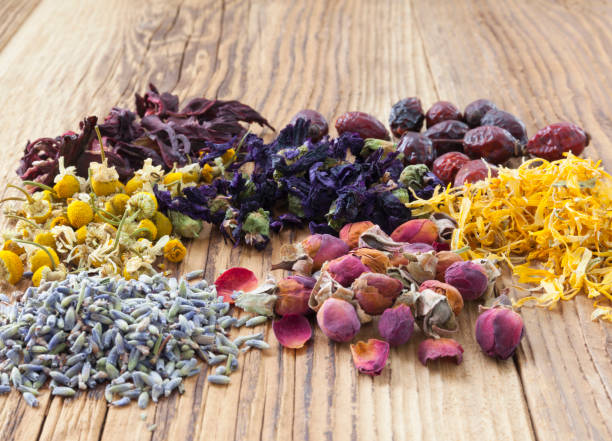
German chamomile is the variety most commonly dried for tea in Britain. Its feathery leaves and white-petalled flower heads are easy to recognise. Harvest on dry, sunny mornings after dew has evaporated but before midday heat wilts the flowers. Spread heads on a mesh screen in a well-ventilated room for seven to ten days until they crumble easily between your fingers.
English lavender produces a more assertive cup than chamomile. The variety Munstead and Hidcote are popular in British gardens for both colour and fragrance. Strip buds from stems before drying — whole stems can lend a woody note. A blend of three parts chamomile to one part lavender creates a mild floral evening infusion enjoyed in many English country hotels, served without milk or sugar to preserve delicate tones.
Robust Leaf Herbs — Mint, Nettle & Lemon Balm
Peppermint & Spearmint
British gardeners often grow both peppermint and spearmint in separate pots to prevent spreading. Peppermint delivers intensity; spearmint is sweeter and lighter. For a traditional after-dinner cup, steep six to eight fresh leaves per mug for six minutes. Dried cut leaf from UK suppliers tends to be more concentrated — use one teaspoon per cup.
Stinging Nettle
Pick the top four to six leaves of young nettle plants while wearing gloves. Blanch briefly in boiling water for thirty seconds if you prefer to remove the sting before drying. Nettle infusion tastes grassy and slightly mineral. It pairs with a squeeze of lemon and a drizzle of honey for a bright afternoon drink popular among allotment gardeners in the Midlands.
Lemon Balm
This prolific grower responds well to regular trimming, which encourages bushy new growth. Mid-morning harvest captures peak essential oil content. Lemon balm iced tea is a fixture at British summer fêtes — steep strong, sweeten lightly, and chill for at least two hours before serving in tall glasses with a lemon slice.
Wild & Hedgerow Treasures
Beyond the garden gate, British hedgerows offer seasonal ingredients. Elderflower blooms in late spring and makes a delicate, honey-scented infusion when dried. Pick creamy-white umbels on dry days, shake gently to remove insects, and dry flat on paper. Hawthorn berries and rosehips arrive in autumn — both require longer simmering than simple steeping to release their full character.
Hawthorn (Crataegus monogyna) berries appear in traditional British kitchen recipes passed down through generations. A handful of dried berries simmered for fifteen minutes produces a mildly sweet, slightly tannic drink. Rosehips from dog rose offer a sharp, tangy flavour; the National Trust occasionally hosts rosehip foraging walks in October across their estate properties, teaching safe identification and sustainable picking.
Heather (Calluna vulgaris) grows on moorland across Scotland and northern England. Dried heather flowers create a distinctive earthy infusion historically associated with Highland hospitality. Use sparingly — one teaspoon per cup is sufficient — and steep for eight to ten minutes.
Safety & Responsible Use
Correct plant identification is essential when foraging British wild herbs. Hemlock water dropwort and foxglove have been mistaken for edible plants with serious consequences. Always cross-reference with at least two reputable field guides or learn from an experienced local forager before consuming any wild-picked material.
This website does not provide personalised safety assessments. If you are unsure whether a herb is suitable for your household, seek independent professional guidance.
- Never forage alone in unfamiliar terrain without telling someone your route
- Avoid plants within 50 metres of busy roads due to exhaust residue
- Wash all foraged material thoroughly before drying or steeping
- Introduce one new herb at a time when trying unfamiliar plants
- Check ingredient labels if you have known plant allergies
- Supervise children when handling hot liquids and unfamiliar plants
- Keep dried herbs out of reach of children and pets
- Source herbs from reputable UK food suppliers with traceable labelling
Events Calendar
| Date | Event | Location |
|---|---|---|
| 12 April 2026 | Native Herb Identification Walk | South Downs, Sussex |
| 25 May 2026 | Elderflower Harvest Morning | Kent Countryside |
| 19 July 2026 | Allotment Herb Growing Masterclass | Birmingham |
| 11 October 2026 | Hedgerow Foraging & Preservation Day | Pembrokeshire, Wales |
Frequently Asked Questions
-
Peppermint is the most forgiving starter herb. It tolerates partial shade, recovers quickly from harvesting, and grows well in pots. Chamomile from seed takes more patience but rewards you with abundant flowers by midsummer in most UK regions.
-
Yes. Tie small bunches with string and hang them upside down in a warm, airy spot away from direct sun. A airing cupboard works for small quantities. A dehydrator set to 35–40 °C speeds the process but is not essential.
-
German chamomile (Matricaria chamomilla) is an annual with a taller, more open growth habit and is the standard for tea. Roman chamomile (Chamaemelum nobile) is a low perennial ground cover with a slightly sharper taste. Most UK tea blends use German chamomile.